Why Kids and Adults Both Love a Pizza Restaurant
@manuelpwkp636

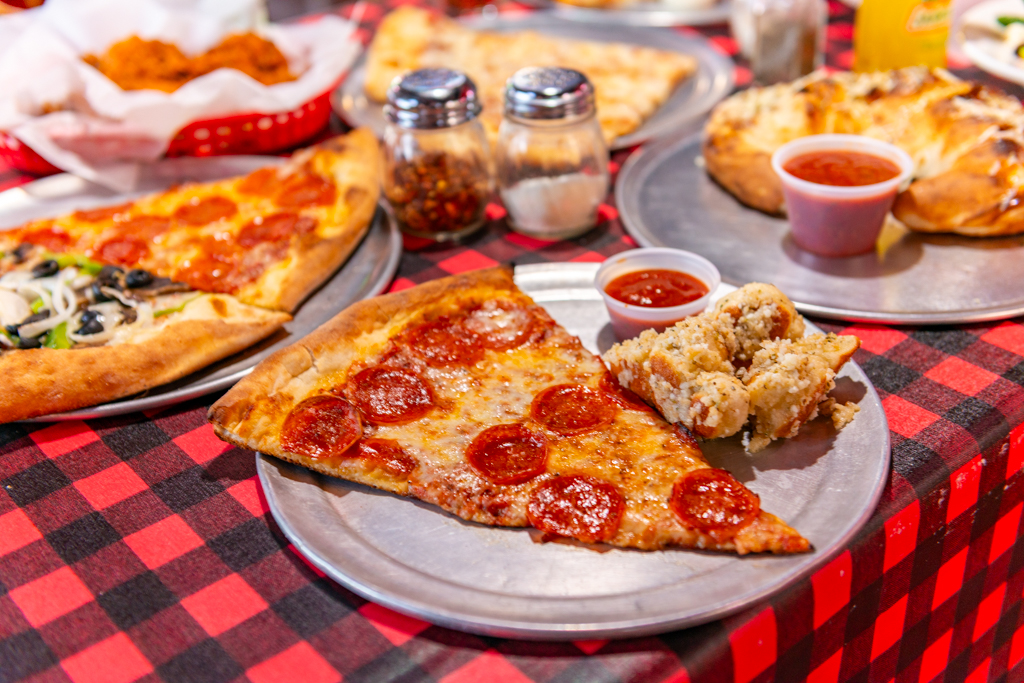
A good pizza restaurant solves a problem that very few places solve as gracefully. It feeds a mixed group without turning dinner into a negotiation. It feels casual without feeling careless. It gives children something familiar and comforting, while still offering adults enough choice, quality, and atmosphere to make the outing feel worthwhile. That balance is harder to achieve than it looks.
Spend enough time in restaurants, whether as an owner, operator, parent, or regular customer, and a pattern becomes obvious. Many dining concepts appeal strongly to one age group and merely tolerate the other. Fine dining asks children to sit still longer than most can manage. Fast food keeps kids happy but often leaves adults feeling like they settled. Trendy concepts may impress grown-ups and alienate picky eaters. A well-run pizza restaurant sits in the rare middle ground. It is one of the few places where different generations can genuinely enjoy the same table.
That broad appeal is not an accident. It comes from a mix of food psychology, menu design, pricing, service pace, and social atmosphere. Pizza, at its best, is not just universally liked. It is socially useful. It invites sharing, lowers pressure, and creates a meal that feels generous even when the order is simple.
Pizza is familiar, but never boring
The first reason both kids and adults gravitate toward a pizza restaurant is straightforward. Pizza is recognizable. For children, that matters more than many adults realize. Kids often approach food with caution. Texture, smell, temperature, and appearance can all become sticking points. Pizza usually clears those hurdles. The crust is easy to understand. The cheese is rich and mild. The tomato sauce is bright but not threatening. Even a selective eater can usually find a version that feels safe.
Adults respond to familiarity too, though in a different way. A dish does not have to surprise someone to satisfy them. After a long workday, many people do not want to decode a menu or explain ingredients to a child while also trying to order for themselves. Pizza restaurant menus are legible. Most guests understand what they are getting, how much food they need, and roughly what the bill will look like. That predictability lowers stress before the first slice even arrives.
At the same time, pizza rarely feels limited. One table can order half pepperoni for the kids, a vegetable pie for one adult, and something with sausage, mushrooms, or hot honey for another. The basic structure stays approachable, but the range can be wide. That is one reason pizza avoids the trap of bland universality. It pleases crowds without becoming generic.
This is where quality makes a real difference. Adults may be happy to take children somewhere easy, but they still notice whether the dough has flavor, whether the cheese is balanced, and whether the sauce tastes fresh or flat. A smart pizza restaurant understands that familiarity should not become an excuse for mediocrity. In fact, the better the fundamentals, the more the place wins repeat business from families who could have stayed home and ordered delivery.
Sharing changes the mood of the meal
There is something important about the way pizza arrives at a table. It is not plated as a fixed individual portion. It lands in the center and turns the meal into a shared event. That matters for both generations.
Children tend to like food they can see, count, and choose. A whole pie offers visual clarity. They can point to the slice they want. They can understand the meal in a concrete way. There is no mystery about what is coming. For younger kids, that sense of control helps. For older kids, it adds fun. They are not just eating dinner, they are participating in it.
Adults benefit from that same format for a different reason. Sharing naturally makes a table more relaxed. People reach, compare, pass, and taste. The structure of the meal encourages conversation without demanding constant etiquette. Nobody is waiting for everyone else to be served in a rigid sequence. If one child needs help, another adult can keep eating. If someone arrives late, it is easy to fold them in. That flexibility is one of the hidden strengths of a pizza restaurant.
It also softens one of the biggest frictions in group dining, the fear of ordering wrong. When every person has to choose a full entrée, there is more pressure. Someone may over-order, under-order, or regret their choice. Pizza reduces that risk. A family can start with one pie and add another if needed. Friends can mix toppings. Grandparents dining with grandchildren can take a small slice instead of committing to a heavy meal. Sharing makes the whole experience more forgiving.
The pace works for real life
Restaurants often fail families and mixed-age groups because they misjudge timing. Food that comes too slowly can unravel a table with young children. Food that arrives too fast can make adults feel rushed. Pizza usually lands in a practical middle zone.
Even in a busy room, a pizza restaurant can move at a pace that feels efficient without feeling frantic. Dough is prepped ahead. Ovens are designed for volume. The menu is not weighed down by a dozen cooking methods that compete for the same line space. That operational simplicity often translates into a smoother guest experience.
For kids, this means less waiting with nothing to do. A basket of garlic knots, breadsticks, or a small salad can buy the kitchen enough time to get the pies out before patience runs out. For adults, the pacing allows an actual meal rather than a quick refuel. They can settle in, pour a drink, and ease into the evening.
That matters more than people think. Most adults are not just judging food. They are judging friction. Was parking manageable? Were the kids seated quickly? Did the server understand that the toddler needed a plate now, not in ten minutes? Was the bill straightforward? A pizza restaurant that handles these details well becomes a regular habit, not because it is glamorous, but because it consistently fits the realities of ordinary life.
It hits the sweet spot on price
Affordability is a major part of pizza’s broad appeal, and it deserves a closer look. Families are sensitive to value, especially when dining out with multiple children. A place can be beloved, but if one casual dinner for four consistently stretches the budget too far, visits become rare. Pizza works because it often feels generous for the price.
A few large pies can feed a group in a way that individual entrées often do not. Even when prices rise, and they have in nearly every market, the format still reads as fair. Guests can see the food, divide it, and understand what they paid for. There is less disappointment than with smaller plated meals that may look polished but leave everyone still hungry.
Adults notice another layer of value. A pizza restaurant can flex upward or downward depending on the occasion. A family can come https://emilianoxliv178.dovetailscope.com/posts/why-consistency-is-the-key-to-a-successful-pizza-restaurant in on a weeknight and keep it simple with one cheese pizza and waters. The same place can accommodate a birthday dinner with appetizers, salads, specialty pies, dessert, and drinks. That elasticity is powerful. It allows the restaurant to serve households across different budgets and occasions without changing its identity.
From an operator’s perspective, that is one reason pizza businesses can build loyal communities. They are not reserved for celebrations only. They can become part of the weekly routine, and routine is where lasting affection is built.
Children love autonomy, adults love options
One overlooked reason kids enjoy a pizza restaurant is the small but meaningful sense of independence it gives them. Even young children can participate in ordering. They know what cheese pizza means. They can ask for olives or no mushrooms. Older kids like having some influence over toppings, crust styles, and sides. That ownership turns dinner from something done to them into something they helped shape.
Adults appreciate that same customizability at a more nuanced level. Dietary preferences, spice tolerance, appetite, and mood all vary. One person may want a classic margherita. Another wants extra protein. Another avoids dairy or prefers gluten-free crust when available. A capable pizza restaurant can accommodate a surprising amount of variation without making the table feel fragmented.
That is especially valuable in larger groups. Mixed-age dining usually means mixed preferences. A menu with only a few rigid formats creates conflict quickly. Pizza, by contrast, handles compromise well. Half-and-half pies, multiple sizes, and side dishes create room for everyone to feel considered.
There is also an emotional benefit to this style of ordering. Adults, especially parents, spend a lot of meals mediating. At a pizza restaurant, compromise is easier and less draining. Instead of debating four separate entrées, the table often solves dinner in a few simple decisions.
The room itself matters
Food gets most of the attention, but atmosphere explains a lot about why pizza restaurants remain so widely loved. The best ones feel energetic without being chaotic. That is a subtle distinction. Children generally do better in rooms where a little noise is normal. If a child laughs too loudly or drops a fork, the entire dining room does not freeze. Adults relax more in that environment too. They are not policing every whisper.
A pizza restaurant often has the acoustic profile that families need. Ovens hum, glasses clink, tables turn, and conversations overlap. The energy gives cover to the ordinary messiness of dining with children. At the same time, a strong operation avoids the trap of becoming a free-for-all. There is still order, cleanliness, and attentive service.
Visual cues matter too. Open kitchens, stacks of dough trays, pizza peels moving in and out of the oven, and the smell of baking crust all create a kind of low-stakes theater. Kids are fascinated by it. Adults enjoy it for a different reason. It signals freshness, craftsmanship, and honesty. People like seeing food made, especially in a category where technique is part of the pleasure.
Some of the most successful neighborhood pizza restaurants understand this intuitively. They may not describe it in branding language, but they know the room has to welcome a Little League team at one table and a date night couple at another. If either group feels out of place, something is off.
Pizza suits celebrations without needing ceremony
Birthdays, team dinners, end-of-school outings, family reunions, casual Friday nights, post-recital meals, and quick lunches after errands all share one thing. They need food that can support the occasion without dominating it. Pizza is ideal for that role.
Children often associate pizza with celebration early in life. School parties, sleepovers, arcade trips, and birthdays all teach the same lesson. Pizza means fun is happening. That emotional association sticks. Even adults carry some version of it. A pizza restaurant has a built-in ease that makes small celebrations feel more festive without requiring extensive planning.
The format also works well when attendance is fluid. In real life, people arrive late, bring an extra sibling, or stay longer than expected. Pizza is forgiving. Another pie can be added. Leftovers are welcome, not awkward. A table can expand without the whole meal needing to be recalculated.
This is one of those practical strengths that often gets ignored in restaurant writing. Convenience is not glamorous, but it is deeply appreciated. A place that handles real-world celebrations gracefully becomes part of family memory. People may not remember every topping they ate at age nine, but they remember the feeling of a table full of pizza after a soccer win or a birthday candle stuck into a dessert in a loud, happy room.
Adults get nostalgia, kids get novelty
A pizza restaurant often works on two emotional levels at once. For adults, it can tap into nostalgia. That does not mean every great pizzeria has to feel old-fashioned, but there is often something familiar in the smell, the red-checkered simplicity of some spaces, the shareable meal, or the sight of a big pie arriving at the table. Even modern concepts benefit from this emotional shorthand. Pizza reminds many adults of college nights, family dinners, first jobs, neighborhood spots, or cheap dates that turned into serious relationships.
Children, meanwhile, experience pizza as novelty far more often than adults assume. Yes, many kids have eaten pizza countless times. But restaurant pizza still carries some excitement. The size of the pie, the bubbling cheese, the chance to pick toppings, the special soda, the visible oven, the dessert afterward, all of it turns an ordinary food into an outing.
That dual emotional pull is rare. One generation gets comfort through memory. The other gets pleasure through experience. Both leave satisfied for different reasons, and that is a strong foundation for loyalty.
Good pizza restaurants know what not to complicate
A lot of concepts lose broad appeal because they overreach. They try to be too many things at once. They add menu sections that slow the kitchen, clutter the identity, and confuse guests. A strong pizza restaurant usually succeeds by understanding its lane.
That does not mean it cannot serve salads, wings, sandwiches, pasta, or dessert. Many do, and many do it well. But the best operations know that the core product must stay central. When the pizza is excellent, nearly everything else becomes easier. If the pizza disappoints, no amount of menu expansion will compensate for it.
Adults notice this discipline, even if they do not articulate it. A concise, well-executed menu reads as confidence. Parents appreciate it because simpler menus tend to produce more reliable service. Kids appreciate it because they are not forced through an overwhelming decision tree.
From years of observing restaurant behavior, one lesson keeps surfacing. Broad appeal does not come from trying to please everyone with endless options. It comes from doing a few things very well in a format that lets different people find their own comfort inside it. Pizza may be one of the clearest examples of that principle in the entire industry.
The little details that turn a casual visit into a habit
People often talk about pizza as if the food alone explains everything. It does not. The restaurants that win lasting affection usually pair solid food with small operational choices that remove friction from the visit.
A few examples make the point:
- The staff greets families without making them feel like a burden.
- Kids' requests are handled kindly, but the room never feels like a daycare.
- Refills, extra plates, napkins, and takeout boxes arrive before guests have to chase them.
- The wait for the check is short and predictable.
- The leftovers travel well, which quietly boosts the value of the meal.
None of these details are flashy. All of them matter. Adults especially remember whether a place respected their time and made the logistics easy. Children remember whether they felt welcome. Put those together, and a single pleasant dinner turns into a standing family choice.
This is where neighborhood pizza restaurants often outperform more ambitious competitors. They understand repeat business at a lived-in level. They know the names of regulars, the topping combinations certain families always order, and the difference between a Friday night crowd and a Tuesday post-practice rush. That local familiarity strengthens the bond. The restaurant becomes part of the rhythm of community life.
Not every pizza restaurant gets it right
It is worth acknowledging that the category’s strengths can also become weaknesses when execution slips. A pizza restaurant that is too noisy can feel exhausting. One that leans too hard into children’s business may alienate adults looking for a decent meal. One that chases gourmet trends without maintaining a few accessible standards can lose families. Balance matters.
There are also regional differences and style preferences to consider. A thin-crust urban slice shop creates a different experience than a suburban family pizzeria, a Neapolitan wood-fired concept, or a sports-heavy casual chain. Some are better for quick lunches, others for birthdays, others for date nights with a child-friendly edge. The broad affection for pizza does not erase those distinctions.
Still, even with those variations, the category keeps proving remarkably durable. Trends come and go. Dining habits change. Delivery apps reshape expectations. Yet the basic appeal of gathering around a pie remains stubbornly strong. That is usually a sign that a food is serving a social function as much as a culinary one.
Why the love lasts
The enduring popularity of the pizza restaurant comes down to a rare combination of traits. It is comforting but flexible. Affordable but still capable of feeling special. Casual enough for children, satisfying enough for adults. It supports celebration, routine, spontaneity, and compromise all in the same format.
That range gives pizza unusual staying power. Families can grow up around it. Teenagers can claim it as their own. Adults can return to it after work, after games, after school events, or on nights when nobody has the energy for a more demanding restaurant experience. Grandparents can join without feeling out of place. Few restaurant models carry that kind of intergenerational ease.
For all the talk in hospitality about innovation, guest experience, and market positioning, one simple truth keeps asserting itself. People return to places that make life feel easier and better at the same time. A good pizza restaurant does exactly that. It feeds a crowd, softens stress, and creates a setting where different ages can enjoy the same moment for their own reasons. That is not a small achievement. It is one of the reasons pizza remains one of the most beloved meals in the dining world.