What Makes Handmade Dough Special at a Pizza Restaurant
@manuelpwkp636
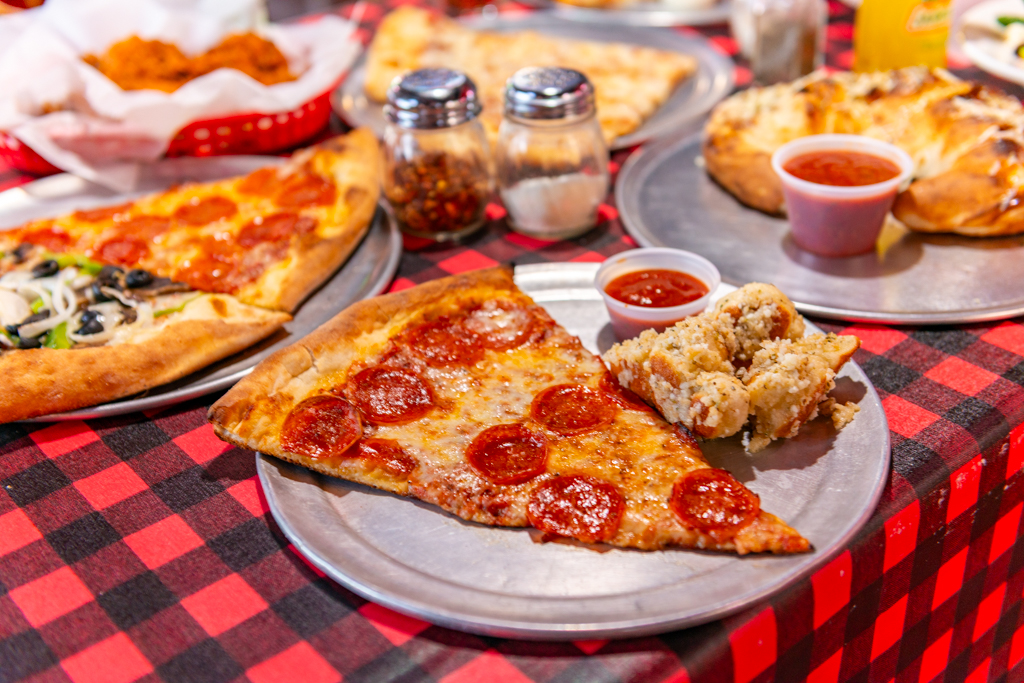
Walk into a serious pizza restaurant before service, and one of the first signs of intent is not the oven, the toppings, or even the smell of garlic. It is the dough bench. You can tell a great deal by how that station is set up, how the dough boxes are stacked, how the balls have risen, and whether the staff handles them with confidence or caution. Handmade dough changes the entire personality of a pizza, and not in a vague, romantic way. It changes texture, flavor, timing, labor, consistency, menu design, and ultimately the kind of experience a guest has at the table.
People often talk about handmade dough as if it is simply more authentic. Sometimes it is. But authenticity alone does not explain why a crust can feel light yet substantial, why one bite has a crisp edge and a moist interior, or why a pizza leaves you satisfied without the heavy, thirsty feeling that often follows a rushed, factory-made crust. Handmade dough matters because it is a living product. It responds to time, temperature, flour strength, humidity, yeast activity, salt levels, and handling. That sounds technical because it is technical. Good dough is craft guided by judgment.
At a pizza restaurant, that judgment shows up in ways customers can taste even if they cannot name them.
Dough is not just a base
A lot of people still describe crust as if it were a platform for sauce and cheese, almost like a plate you can eat. That view misses the point. In a well-run pizza restaurant, the dough is not background. It is one of the main ingredients, often the most important one. If the dough is flat in flavor, weak in structure, or mishandled during proofing, no premium mozzarella or carefully sourced tomatoes can fully rescue the pie.
Handmade dough contributes three things at once: flavor, structure, and feel. Flavor comes from fermentation, from the grain itself, and from the browning that happens in the oven. Structure determines whether the slice folds gracefully, stands rigidly, or sags under its own weight. Feel is harder to define but easy to notice. It is the difference between a crust that tears like bread and one that opens with a delicate chew. It is the difference between a dense edge that fills you up after one slice and an airy cornicione that invites another.
When a restaurant makes dough by hand, or at least treats it with hand-crafted discipline from mixing through shaping, it can tune each of those qualities. That control is what makes the product special.
Fermentation is where much of the magic happens
Most of the character people associate with memorable pizza comes from fermentation. Flour, water, salt, and yeast look simple on paper. They are not simple in practice. Once mixed, dough begins developing flavor immediately. Enzymes break down starches into sugars. Yeast consumes some of those sugars and produces carbon dioxide, alcohol, and a range of flavor compounds. Time deepens complexity.
A fast dough made in the morning and baked at lunch can be good, especially in experienced hands. But it rarely develops the same nuanced taste as a dough fermented for 24 to 72 hours under controlled conditions. That longer process can create subtle tang, nuttiness, mild sweetness, and a cleaner finish on the palate. It can also improve digestibility for some diners, not because long fermentation turns pizza into health food, but because the dough structure and flavor become more developed and balanced.
At a pizza restaurant that values handmade dough, fermentation schedules are usually built into the business itself. Staff members think about tomorrow’s service while working today’s. They monitor dough temperature after mixing, the room temperature during balling, and the pace of proofing in refrigeration. If a summer heat wave hits, they may reduce yeast or cool the mixing water. If winter dries the air and slows activity, they may make the opposite adjustment. These are not dramatic changes, but tiny corrections can decide whether dough opens beautifully at 6 p.m. Or fights the pizzaiolo all night.
That responsiveness is nearly impossible to fake.
The human hand changes the texture
Texture is where handmade dough earns its reputation. Mechanical systems can produce competent pizza. Large operations rely on them for obvious reasons. But handmade dough has a tactile quality that comes from selective pressure rather than uniform force. An experienced dough maker knows when the gluten is developed enough, when to stop mixing before oxidation mutes flavor, and when a dough ball feels over-tight from bench work.
A machine follows settings. A skilled baker reads resistance.
That matters because pizza dough lives in a narrow zone between underdeveloped and overworked. If gluten is too weak, the dough tears during stretching and cannot trap gas properly. If it is too strong, the crust can bake up tough and tight, with less oven spring and less tenderness in the bite. The ideal point depends on style. New York style wants extensibility and enough strength to hold a wide slice. Neapolitan dough needs softness and elasticity so it can open quickly and balloon at the rim. Pan pizza needs a different kind of structure again, one that supports a rich, often oil-assisted rise.
Handmade methods allow small adjustments at each stage. A dough that feels slightly slack can get a fold during bulk fermentation. A dough that is proofing too aggressively can be cooled or used earlier. A ball that seems gassy but delicate can be handled with extra care during opening to preserve internal bubbles. Those micro-decisions are one reason two pizza restaurants using similar ingredients can produce radically different crusts.
Flour matters, but not in the simplistic way people assume
Customers sometimes ask whether the secret is imported flour. Sometimes it is not. Flour quality matters tremendously, but matching flour to method matters more than chasing a prestige label. The right flour depends on hydration, fermentation length, baking temperature, and desired texture.
A very hot oven, especially one running in the 800 to 900 degree range, benefits from flour that browns properly without scorching and has enough strength to support rapid oven spring. A deck oven or gas oven operating at lower temperatures may favor a different protein level and a different extraction style. Some restaurants blend flours to get the balance they want. Others stay consistent with a single flour because consistency is easier to protect in daily service.
What handmade dough does with flour is bring out its specific character. Stone-milled flour can lend aroma and depth but may require more careful water management. Strong bread flour can create beautiful chew but can become rubbery if mixed too aggressively. Lower-protein flour can produce a tender crust but may struggle in long fermentation if the process is not dialed in. There is no universally perfect flour, only flour used intelligently.
That is one reason the best pizza restaurant kitchens treat recipes as living systems rather than sacred formulas.
Water, salt, yeast, and oil all shape the outcome
Because dough ingredients are few, each one carries unusual weight. Water is more than hydration percentage. Its temperature controls dough temperature, which affects fermentation speed from the first minute. Mineral content can also change dough behavior. In some regions, pizzerias filter or condition their water https://zionmlzn088.rivertonbrief.com/posts/why-a-pizza-restaurant-is-perfect-for-sharing-meals because local hardness creates inconsistent results.
Salt is often underestimated by diners, yet it does heavy lifting. It sharpens flavor, strengthens gluten, and moderates yeast activity. A slightly under-salted dough tastes dull even if the toppings are excellent. A dough with too much salt can ferment sluggishly and mask the grain.
Yeast level determines speed, but not in a straightforward way. More yeast does not mean better dough. In fact, one hallmark of carefully made handmade dough is restraint. Many excellent long-fermented doughs use surprisingly small amounts of yeast, letting time do the work. That slower pace tends to yield better flavor and a more refined crumb.
Oil is style-dependent. Some doughs use none at all. Others use a small percentage for tenderness, browning, or ease of handling. In pan styles, oil often becomes part of the crust identity itself, crisping the bottom and edges. None of these choices are cosmetic. They shape the finished pizza as much as sauce seasoning or cheese blend.
Handling is where discipline separates great from merely good
A restaurant can have an excellent dough formula and still fail if the handling is careless. This is one of the least visible parts of pizza making and one of the most important. Handmade dough rewards consistency but punishes roughness.
The moment dough is divided and balled, the clock starts influencing texture in a new way. Tight balling creates surface tension that helps with shape and rise, but too much tension can make the dough snap back during stretching. Under-balling can leave a shaggy piece that spreads unevenly. During proofing, dough boxes need enough room and enough protection from drying. A dry skin on the surface can ruin opening and leave hard bits in the crust.
Then comes stretching. This is where diners can literally see the difference in a pizza restaurant that values handmade dough. Skilled hands press gas outward without crushing it, leaving a defined rim while preserving an open crumb. Poor handling squeezes the life out of the dough. A rolling pin can flatten it into submission, but at a cost. You lose internal structure, and the baked crust often comes out more bready than lively.
Three habits usually signal strong dough handling in a pizza kitchen:
- Staff let the dough warm just enough before opening, rather than fighting cold dough straight from the refrigerator.
- They dust sparingly, because excess bench flour burns in the oven and muddies flavor.
- They stretch with fingertips and gravity, preserving gas instead of pressing every bubble out.
- They top quickly and deliberately so the dough does not sit too long and stick or over-relax.
- They adjust bake placement based on how that particular dough is behaving that day.
Those choices sound small. Over a full service, they define the quality of the crust.
Handmade dough creates flavor you can smell before you taste
The aroma of a well-made crust is one of the clearest markers of quality. It is easy to focus on the smell of basil, roasted garlic, pepperoni, or melted cheese because those notes are obvious. But if you pay attention, the crust itself often carries toasted wheat, caramel, yogurt-like tang, faint maltiness, or even a light hazelnut note depending on flour and bake.
That aroma comes from fermentation and from browning reactions in the oven. Dough with good sugar development colors more evenly. Dough that has matured properly tends to produce a fuller, more inviting smell as it hits heat. If you have ever eaten at a pizza restaurant where the crust alone smelled compelling enough to pull apart and eat plain, that was not accidental.
The opposite is true as well. Immature dough often smells flat. Over-proofed dough can smell boozy or collapse into dullness. Oxidized dough, especially from overmixing, can lose some of its grain character. Handmade production, when done well, protects those subtleties.
The oven and the dough are partners
Handmade dough does not exist in isolation. It has to match the oven. This is where many outsiders oversimplify pizza. They assume a good dough is universally good. In practice, dough should be built for the heat source and bake profile of the restaurant.
A wood-fired oven gives fierce top heat and quick bottom bake, often finishing pies in 60 to 120 seconds. That demands a dough that can spring fast, char attractively, and remain tender at high temperatures. A gas deck oven with a 6 to 8 minute bake asks for different hydration, often a little more resilience, and enough sugar availability to brown without drying out. Conveyor ovens, common in high-volume operations, need their own style of dough engineering to produce consistency across hundreds of pies.
At the best pizza restaurant operations, dough formula and oven settings are in constant conversation. If the floor is running hotter than usual, the dough may need a slight hydration or fermentation adjustment. If the cheese browns too fast before the rim fully opens, shaping or bake position may change. Handmade dough shines because it allows the kitchen to respond instead of forcing the product through a rigid process.
Consistency is harder with handmade dough, and that is part of its value
There is a reason not every restaurant commits to handmade dough. It is more demanding. It requires planning, storage space, training, and waste tolerance. It also requires humility, because even excellent teams get surprised by weather, ingredient variation, and service pressure.
That variability can sound like a weakness. From an operations standpoint, sometimes it is. A chain focused on exact uniformity across dozens of locations may not want the daily judgment calls that handmade dough requires. But in an independent pizza restaurant, or any restaurant that defines itself through craft, those variables are not just problems to solve. They are part of the product’s identity.
Guests notice when a crust feels alive. Not identical every single day, but reliably excellent. A winter dough may be slightly tighter and chewier. A humid summer batch may open more softly and blister differently. As long as the kitchen understands those shifts, the result can feel human rather than standardized. That is a virtue in hospitality.
Handmade dough changes the eating experience from first bite to last crust
The best measure of dough quality is not what it looks like in photos. It is how the pizza eats over the course of a meal. Handmade dough influences the first bite, the middle of the slice, and the crust end people often leave behind on lesser pies.
A strong handmade crust supports toppings without becoming rigid. It can be crisp on the exterior but still moist inside. The chew should invite another bite, not exhaust the jaw. The rim should have flavor on its own. If diners are eating the crust ends without dunking them in ranch or leaving them on the plate, the dough is doing real work.
This is also where balance matters. Not every great crust is ultra-airy. Not every artisan pie should be heavily blistered. Sometimes the special quality of handmade dough is restraint. A tavern-style pizza can have a thin, crackly base with remarkable wheat flavor. A grandma slice can be soft, open, and lightly fried at the edges without feeling greasy. A New York slice can fold, drip a little, and still maintain enough structure to finish cleanly. Handmade dough is not a single style. It is an approach that lets style express itself clearly.
Why customers keep coming back for it
People return to a pizza restaurant for many reasons: location, service, price, atmosphere, nostalgia. But when a place earns a loyal following across neighborhoods and generations, the dough is often a hidden driver. Guests may not articulate it in technical terms. They say things like, “The crust tastes different,” or “It feels lighter,” or “I could eat this every week.”
They are responding to cumulative details. Slow fermentation. Skilled shaping. A crust with character. A kitchen that knows how dough behaves at 5 p.m. Versus 8:30 p.m. And adjusts accordingly. Those are the kinds of details that do not fit neatly into a slogan, yet they define the meal.
From a business perspective, handmade dough also gives a restaurant a point of view. It distinguishes the product in a crowded market where many competitors can buy similar cheese, canned tomatoes, and cured meats. Dough is harder to copy because it depends on process, training, and institutional memory. Two places can start with the same formula and end up far apart because one team understands fermentation deeply and the other treats it as prep.
For operators, that difference becomes part of brand identity. For diners, it becomes trust.
What special really means
When people say handmade dough is special, they sometimes mean it feels artisanal, traditional, or more premium. Those associations are not wrong, but they are incomplete. What makes it special is not the romance of flour on an apron. It is the accumulation of deliberate choices, each one affecting flavor and texture in measurable ways.
A pizza restaurant that makes exceptional handmade dough commits to time over convenience, observation over autopilot, and skill over shortcuts. It accepts that dough is alive and that living products need attention. It also understands the trade-off. Handmade dough can be less predictable, more labor-intensive, and more expensive to execute well. That is precisely why the result stands out.
At its best, handmade dough gives pizza its soul. It provides the wheat aroma under the sauce, the blistered edge that crackles and then yields, the open crumb that traps steam and flavor, the structure that carries toppings without turning dense, and the finish that makes the last bite as satisfying as the first. In a great pizza restaurant, the dough is not merely handmade. It is understood. That understanding is what guests taste, even before they have words for it.
RUFFRANO'S HELL'S KITCHEN PIZZA Security
385 Main St, Colorado Springs, CO 80911
(719) 390-4355
FAQ About pizza restaurant
Is there a Hell's Kitchen pizza restaurant in Security-Widefield?
Yes. Ruffrano's Hell's Kitchen Pizza has a Security-Widefield location at 385 Main St.
Where can I find pizza delivery in Security-Widefield?
Ruffrano's Security location offers online ordering. Enter your address at checkout to check delivery availability and fees.
Where can I find gluten-free pizza in Security-Widefield?
Ruffrano's menu lists a 12-inch gluten-free option. Call the Security location to confirm availability and ask about shared equipment if cross-contact is a concern.